ADVERTISEMENT
**Amish White Bread Recipe: A Timeless Classic for Your Kitchen**
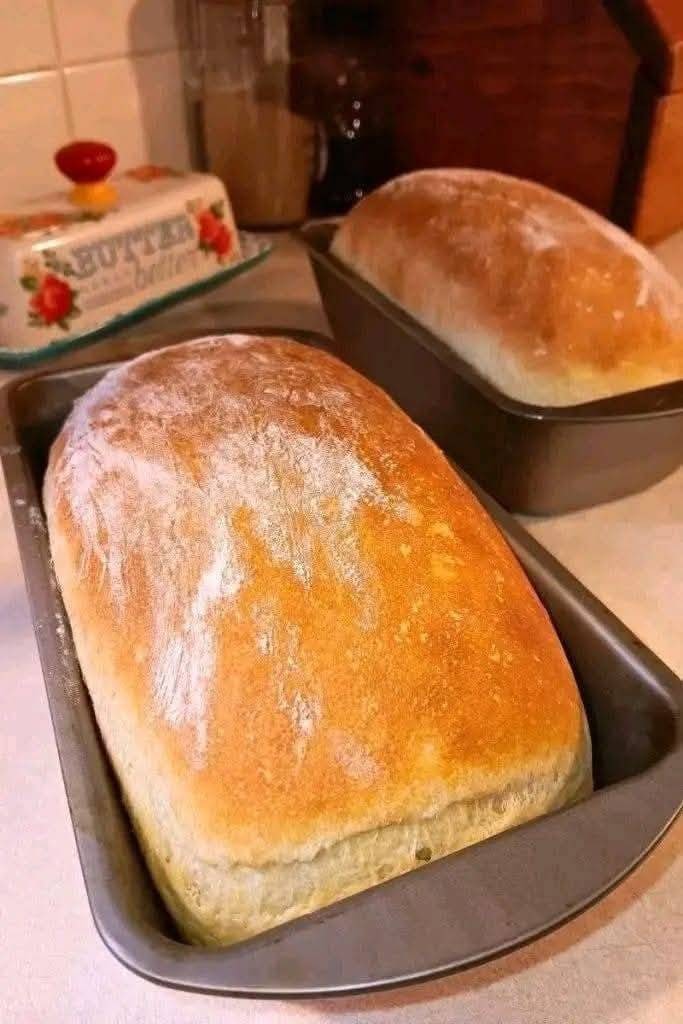
There’s something incredibly comforting about a freshly baked loaf of bread. The aroma that fills your kitchen, the soft, pillowy texture, and that warm, buttery slice with a touch of jam – it’s hard to resist. Among the many traditional bread recipes, **Amish White Bread** stands out as a timeless favorite. Known for its simple ingredients and rustic charm, this bread is the epitome of comfort food. Whether you’re a seasoned baker or just starting, this Amish white bread recipe is perfect for anyone looking to enjoy homemade bread that’s both delicious and easy to make.
### Why Amish White Bread Is So Special
Amish White Bread is popular for several reasons:
– **Simple Ingredients:** Made with basic pantry staples like flour, sugar, yeast, and salt, this bread recipe doesn’t require any fancy ingredients, making it both accessible and affordable.
– **Soft, Fluffy Texture:** The result is a wonderfully soft, slightly sweet loaf with a light, airy texture that’s perfect for sandwiches, toast, or just enjoying with a pat of butter.
– **Versatile:** This bread is perfect for every meal, whether you’re using it to make a hearty sandwich, serve with soup, or enjoy a slice with your morning coffee.
– **Homemade Appeal:** Baking your own bread gives you the satisfaction of creating something from scratch while filling your home with the comforting scent of freshly baked goods.
### Ingredients:
– **1 cup warm water** (110°F, about 43°C)
– **2 tablespoons white sugar**
– **2 1/4 teaspoons active dry yeast** (1 packet)
– **1/2 cup vegetable oil** (or melted butter for a richer flavor)
– **1 teaspoon salt**
– **1/4 cup white sugar** (for the dough)
– **3 1/2 to 4 cups all-purpose flour** (you may need more or less depending on your dough’s consistency)
### Instructions:
#### 1. **Activate the Yeast:**
Start by activating the yeast. In a large mixing bowl, combine the **warm water** and **2 tablespoons of sugar**. Stir gently until the sugar dissolves. Sprinkle the **active dry yeast** over the surface of the water, giving it a quick stir. Let this mixture sit for about 5-10 minutes, or until it becomes frothy and bubbly. This step is crucial for ensuring that the yeast is active and ready to help your dough rise.
#### 2. **Prepare the Dough:**
Once your yeast mixture is bubbly, add the **vegetable oil**, **salt**, and **1/4 cup sugar** to the bowl. Stir well to combine. Then, start adding the **flour**, a little bit at a time, mixing after each addition. Continue adding flour until the dough comes together into a soft ball that’s not too sticky. Depending on the humidity and the flour you use, you may need more or less flour. The goal is to achieve a dough that is soft but not overly sticky.
#### 3. **Knead the Dough:**
Transfer the dough to a lightly floured surface and knead it for about 5-7 minutes. To knead, press the dough down with the heels of your hands, fold it over, and then turn it a quarter turn. Repeat this process until the dough is smooth and elastic. If the dough feels too sticky, you can add a little more flour, but be careful not to add too much as it could make the bread dense.
5. **Shape the Loaf:**
Once the dough has risen, punch it down gently to release the air. Turn the dough out onto a lightly floured surface and shape it into a loaf by flattening it into a rectangle and then rolling it up tightly, pinching the seams closed. Place the shaped dough into a greased 9×5-inch loaf pan, seam side down.
For Complete Cooking STEPS Please Head On Over To Next Page Or Open button (>) and don’t forget to SHARE with your Facebook friends
Continue READING
ADVERTISEMENT
